
Hard Water and Eczema: Why Your Skin Feels Worse After a Shower (and How Soft Water Helps)
Struggling with eczema and dry skin? Discover how hard water affects your skin and why switching to soft water can help soothe irritation and improve skin health.
5/27/20252 min read
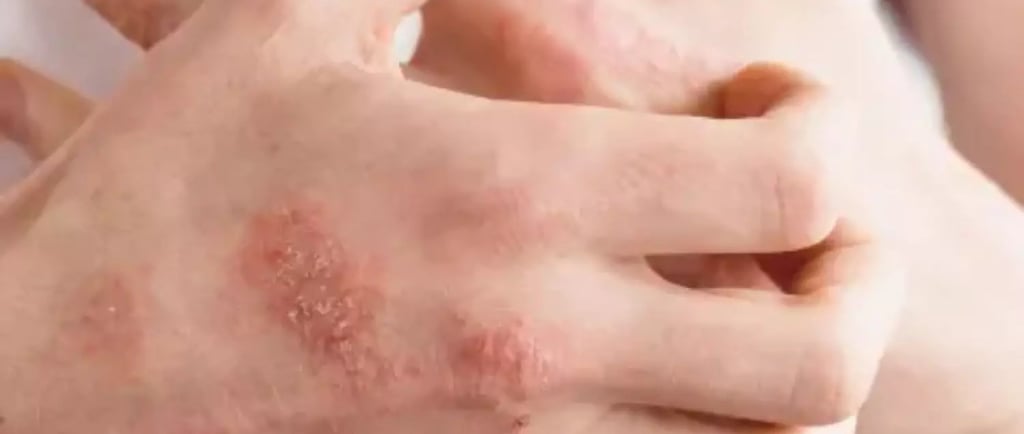
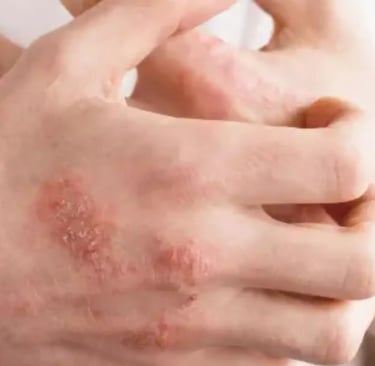
🌊 Why Your Skin Feels Worse After a Shower
Have you ever stepped out of the shower expecting soft, refreshed skin—but instead felt dryness, tightness, or itching?
If you struggle with eczema or sensitive skin, your water could be the hidden culprit.
Many households unknowingly use hard water, which can silently worsen skin conditions and make daily skincare routines less effective.
💧 What exactly is hard water?
Hard water is simply water that contains a high amount of minerals, mainly calcium and magnesium.
These minerals aren’t harmful to drink, but they behave differently when they come into contact with your skin.
Instead of rinsing clean, they interact with soaps and cleansers to form a thin residue—often called “soap scum”—that can stay on your skin long after you’ve washed.
🔬 The connection between hard water and eczema
Eczema (also known as atopic dermatitis) is a condition where the skin barrier is already weakened, making it easier for moisture to escape and irritants to get in.
Now add hard water into the mix.
Research suggests that people living in areas with harder water may have a higher likelihood of eczema or more severe symptoms.
Here’s why:
1. It dries out your skin
Hard water can strip away natural oils, leaving skin dry and tight.
2. It leaves behind residue
When soap reacts with minerals, it creates a film that clogs pores and traps irritants.
3. It weakens the skin barrier
This makes it easier for allergens and bacteria to penetrate the skin, triggering flare-ups.
🚿 Why showers can make eczema worse
Many people notice their eczema flares right after bathing—and it’s not just coincidence.
A typical shower in a hard water area involves:
Hot water (which strips natural oils)
Mineral-heavy water (which leaves residue)
Soap (which reacts with minerals)
Together, these factors create a cycle of irritation that repeats every day.
🌿 How soft water feels different
Soft water is treated to remove excess calcium and magnesium.
This small change can make a noticeable difference in how your skin feels.
Benefits of soft water for sensitive skin:
✔ Cleans more effectively without residue
✔ Helps retain natural skin moisture
✔ Makes soaps lather better (less scrubbing needed)
✔ Allows moisturizers to absorb properly
Many people report that their skin feels smoother, calmer, and less itchy after switching.
⚠️ Important: It’s not a cure
Soft water can help reduce irritation, but it’s not a replacement for medical treatment.
Eczema is influenced by multiple factors:
Genetics
Immune response
Environment
Water quality is just one piece of the puzzle—but for some people, it’s a significant one.
🛁 Tips to protect your skin (even if you have hard water)
If changing your water system isn’t possible right now, these habits can still help:
Use lukewarm water instead of hot
Choose fragrance-free cleansers
Moisturize immediately after bathing
Pat your skin dry (don’t rub)
🌼 The bottom line
When it comes to eczema, we often focus on what we apply to our skin—but not what we wash it with.
Hard water may not be the root cause of eczema, but it can quietly worsen symptoms every single day.
By improving water quality—or even adjusting your routine—you may reduce one of the most overlooked triggers of skin irritation.
Sometimes, healthier skin isn’t about adding more products. It’s about removing what’s been working against you all along.
Solutions
Providing water and wastewater treatment solutions for industries.
Equipment
Activated Carbon Filter
Sand Media
© 2024. All rights reserved.
Lamella Clarifier
Dosing Systems
Agitators
Chemicals/media/components
Pressure Sand Filter
Activated Carbon
Polyelectrolytes
Multiport Valves
Poly Aluminium Chloride
Ion Exchange Resin
LOCATION
Registered Office
302/A, Nav Vrundavan Soc, Murbad Road, Syndicate, Kalyan - 421301
GST No - 27AKCPP2125P1ZW
Branch Office
Moshi, Pune - 412105
Chlorine Dioxide
Water Softener
RO Plants